Your basket is currently empty!
Category: Blockchain Technology
-
GondwanaChainAfrica’s Blockchain. Africa’s Future.
FOR IMMEDIATE RELEASE
KwaZulu Natal, South Africa — 2026
GondwanaChain Launches Africa’s First Natively Hosted Blockchain-as-a-Service Platform — Built on the Continent, for the ContinentEnterprise-grade blockchain infrastructure — powered by Hyperledger Iroha2, secured with Post-Quantum Cryptography, and hosted entirely within Africa — is now available to businesses across every sector of the continent’s economy.
IMPORTANT NOTICE
GondwanaChain is a technology infrastructure provider. We provide blockchain platform software, managed node infrastructure, and developer tooling. We do not provide financial services, investment advice, payment services, or any product regulated under the Financial Advisory and Intermediary Services Act (FAIS), the Financial Markets Act, or any other financial services legislation. Any application of GondwanaChain infrastructure to regulated financial activities is the sole responsibility of the licensed entity deploying such application.
Prospective clients in regulated sectors are advised to obtain independent legal and compliance counsel prior to deployment.GondwanaChain today announced the general availability of its Blockchain-as-a-Service (BaaS) platform — a fully managed, enterprise-ready blockchain infrastructure solution designed specifically for African businesses. Unlike global competitors whose services route sensitive data through datacentres in Europe or North America, GondwanaChain runs entirely on servers hosted in Africa, making it one of the very few — and most capable — natively African blockchain platforms in existence.Built on Hyperledger Iroha2 with smart contracts written in Rust and compiled to WebAssembly (WASM), GondwanaChain delivers financial-grade performance, sovereign data residency, and cutting-edge Post-Quantum Cryptographic security — all delivered through a simple subscription model that eliminates the need for businesses to build or maintain their own blockchain infrastructure.
“Africa has long been a consumer of technology built elsewhere. GondwanaChain changes that. This is enterprise blockchain infrastructure conceived, built, and hosted on African soil — and it is world-class.”— GondwanaChain Founding Team
Platform Performance at a Glance
<1sTransaction Finality 10,000+TPS Throughput
99.95% Uptime SLA
PQC Post-Quantum Secured
100%Africa-Hosted Data
3 Plans Starter → Enterprise
Minutes Time to Deploy
GDPR+Compliance Ready
Why Blockchain — and Why Now for Africa
Blockchain technology provides a tamper-proof, shared record of transactions that no single party can alter unilaterally. For African enterprises operating in environments where trust, transparency, and auditability are critical competitive advantages, the implications are transformative.
Immutable audit trails that satisfy regulators without expensive reconciliation processes▸ Smart contracts that execute agreements automatically, eliminating delays and disputes.
Decentralised infrastructure that keeps operating even when individual nodes fail▸
Cryptographic proof of data integrity, replacing paper-based verification systems▸
A verifiable, shared ledger layer on which licensed financial service providers can build near-instant cross-border and interbank solutions.
With Africa’s digital economy projected to reach $712 billion by 2050 (IFC), and with financial inclusion, supply chain integrity, and government digitalisation topping the agenda of every major economy on the continent, the demand for trustworthy, verifiable, and locally governed digital infrastructure has never been greater.What Blockchain-as-a-Service Means for Your Business
Building and maintaining a permissioned blockchain network in-house requires rare expertise in distributed systems engineering, cryptography, and DevOps — typically a team of five to ten specialists and 12 to 18 months of development time. GondwanaChain eliminates that barrier entirely.
Fully managed infrastructure — GondwanaChain handles provisioning, monitoring, upgrades, and security patching.
Go live in minutes — automated deployment to cloud.co.za servers means a complete Iroha2 blockchain network is running in under ten minutes from sign-up.
Predictable costs — simple monthly subscription replaces seven-figure capital expenditure on hardware and engineering talent
Scale on demand — add nodes or upgrade from Starter to Enterprise without service interruption
Your keys, your data — each customer receives an isolated network, a dedicated Authentik SSO tenant, and full API access to their chain.
The African Advantage: Sovereign, Local, Competitive
Most enterprise blockchain platforms available to African businesses today are operated from datacentres in Frankfurt, Dublin, or Virginia. This creates significant risks and costs that are frequently overlooked:
Data sovereignty risk — sensitive business and citizen data leaves the continent, creating exposure under POPIA, Kenya’s Data Protection Act, Nigeria’s NDPR, and emerging frameworks across the AU
Latency penalties — round-trip times to European servers add 150–300ms per transaction, which compounds severely at scale
Currency exposure — USD and EUR-denominated pricing leaves African businesses exposed to exchange rate volatility
Support time zones — European business hours leave African customers waiting for critical infrastructure support GondwanaChain is different. Our entire platform runs on servers physically located in Africa. Your data never crosses a continental border. Our pricing is designed for African markets.
And our support team operates in African time zones.We are one of the very few — and the most technologically advanced — Blockchain-as-a-Service providers natively hosted on the African continent.World-Class Technology Stack.
GondwanaChain is built on a technology foundation that matches or exceeds anything available from global providers:▸
Hyperledger Iroha2 — the latest generation of the battle-tested Hyperledger permissioned blockchain, purpose-built for enterprise use cases with BFT consensus and Byzantine fault tolerance▸
Rust + WASM Smart Contracts — smart contracts compiled to WebAssembly deliver near-native execution speed with memory safety guarantees and a dramatically reduced attack surface compared to EVM-based alternatives▸
Hybrid Post-Quantum Cryptography — GondwanaChain is one of the first commercial BaaS platforms to implement PQC, protecting customer data against the threat of quantum computing before it arrives▸
Authentik SSO — each customer receives a fully isolated Single Sign-On tenant with OpenID Connect, providing enterprise identity management without additional tooling▸
Tauri-based Admin Console — a native desktop application for full platform management, built on a Rust backend with React for a fast, secure, and offline-capable interface▸
Supabase + Redis — real-time data infrastructure with row-level security ensuring complete tenant isolation at the database layer Transformative Use Cases Across Africa’s Key Sectors
FINANCIAL SERVICES & FINTECH
Infrastructure rails for licensed fintechs to build settlement and payment solutions with cryptographic finality and immutable audit trails▸ Programmable compliance tooling: enabling licensed financial institutions to embed their own regulatory logic directly into smart contracts — reducing reconciliation overhead and manual reporting
A trusted, verifiable ledger layer that licensed asset managers, payment processors, and cross-border service providers can build on — without managing their own blockchain infrastructure
SUPPLY CHAIN & LOGISTICS
End-to-end provenance tracking from farm or factory to end consumer
Automated customs clearance and trade finance via smart contract triggers
HEALTHCARE & PHARMACEUTICALS
Counterfeit prevention for pharmaceutical, agricultural, and luxury goods
Patient records shared securely across providers with full audit trail and patient consent management▸ Cold-chain verification for vaccine and medicine distribution across remote regions▸
Immutable clinical trial data that meets international regulatory requirements
GOVERNMENT & PUBLIC SECTOR
Land registry and property title management on an immutable, publicly verifiable ledger
Procurement transparency — every tender, award, and payment recorded and auditable by citizens
Digital identity infrastructure enabling secure, self-sovereign ID for unbanked populations.
RETAIL & E-COMMERCE
Loyalty programmes that are portable across merchants and cryptographically verifiable
Supplier payment automation via smart contracts triggered by delivery confirmation
Consumer-facing product authenticity certificates on public blockchain explorer
LEGAL & COMPLIANCE
Smart legal contracts that self-execute on verified conditions — reducing dispute resolution time from months to seconds▸ Immutable evidence preservation for litigation and regulatory investigations▸ Automated regulatory reporting with tamper-proof audit logs
Flexible Plans Built for African Business
STARTER1 Iroha2 NodeShared InfrastructureIdeal for: SMEs, pilots, MVPs
BUSINESS 3-Node BFT Network Dedicated Infrastructure Ideal for: Mid-market, regulated sectors
ENTERPRISE5-Node HA NetworkFully Dedicated + SLAIdeal for: Corporates, government, banksAbout GondwanaChainGondwanaChain is an African-founded, African-hosted Blockchain-as-a-Service company on a mission to make enterprise-grade blockchain infrastructure accessible to every business on the continent.
Our platform combines the world’s most advanced permissioned blockchain technology — Hyperledger Iroha2 — with Post-Quantum Cryptography, WASM smart contracts, and a fully managed deployment model that gets businesses live in minutes, not months.Gondwana — the ancient supercontinent from which Africa emerged — is our inspiration. Just as Gondwana was the foundation of the modern world, GondwanaChain is building the foundational trust layer of Africa’s digital economy.
LEGAL & REGULATORY NOTICE
GondwanaChain (Pty) Ltd is a technology infrastructure company. Nothing in this press release constitutes the provision of financial services, financial advice, investment advice, or intermediary services as defined under South African law or the laws of any other jurisdiction. GondwanaChain does not hold a Financial Services Provider (FSP) licence issued by the Financial Sector Conduct Authority (FSCA) and does not conduct any activity requiring such a licence. References to financial services sector use cases describe technology infrastructure capabilities available to appropriately licensed entities only. This document is issued for informational and marketing purposes only.
GondwanaChain https://gondwanachain.online
Pioneering blockchain infrastructure for the African continent.
###End of Press Release
-

How a Blockchain could benefit your business
Blockchain technology (a distributed immutable ledger) has gotten increased interest over the last few years due to its ability to streamline operations, reduce administrative burden, and increase trust and transparency. Originally solely used to power cryptocurrencies, Blockchains have been shown to have far more potential than originally imagined with applications beyond the web3 and crypto world, including applications such as logistics, quality control, verification of identity and tokenization of Real-World Assets such as real-estate and equities.
Blockchain basics
Blockchains, as mentioned before, operate as a distributed public ledger (similar to a ledger in accounting and finance) that is immutable. This means that everyone with the credentials to access the blockchain has access to it and a copy of it. Being immutable, it keeps a complete record of all prior transactions that cannot be altered. All new transactions are recorded in real-time with stamps of who made the entry, amounts, etc.This technology is secured by state-of-the-art encryption (in the case of GondwanaChain, even protecting against threats of emerging Quantum Computers), which combined with user education and steps like multi-factor authentication creates an extremely low risk of being compromised.
Further, most Blockchains (including GondwanaChain) use Smart Contracts – digital contracts that are self-executing. These are not only legally binding, but also massively reduce paperwork that normally slow down operations and legal work for most businesses.
What industries can use Blockchains?
Blockchains can be used by a plethora of industries in diverse sectors such as logistics, education, healthcare, or (more recently) real-estate and investment.Imagine routes for logistics companies being optimized for the most cost-effective and fuel saving option while simultaneously ensuring speedy delivery of goods. In education, Blockchains can be utilized as a verifiable record of student achievements and accreditation to even creating engaging lesson plans tailor-made for the student. Medical details of patients can be confidentially shared (with consent) to ensure customized treatment plans and preventative medicine specifically to the individual patient.
For real-estate, any fraction of ownership can be tokenized, enabling investors to combine their resources to purchase more lucrative properties, thereby democratizing ownership and increasing financial participation ensuring future-growth of entrepreneurs.
Even companies shares or equity can be tokenized to ensure a verifiable record of ownership, ensure dividends are paid out correctly, and reduce the burden of accountants and financial professionals.
How can we use a Blockchain?
Blockchains are expensive to build yourself, requiring many months of research and development as well as planning the infrastructure. This is why Blockchain-as-a-Service cloud offerings exist.Most Blockchain-as-a-Service offerings are hosted in the US, Europe or Asia, costing a premium for people in developing nations such as in continental Africa.
This is where GondwanaChain differs.
Our cloud-based Blockchain-as-a-Service is entirely African based, built and run by Africans, and priced appropriately for the African market with various tiers catering to businesses small and large. Our Blockchain is built on foundational technology as trusted by the Linux Foundation and offers an enterprise-grade Blockchain complete with provisioning, custom smart contract developing, and live monitoring of data. Things many Blockchain-as-a-Service companies do not offer, all in an affordable package.
Can we invest in your offering?
Absolutely!We still have many openings for investors who wish to help our company and its offerings grow.
We are open to both equity and debt-based finance.Should you be interested in investing, please contact technical@coinafriq.org or call +27626404965 (available on WhatsApp).
-

Empowering the future of investment and the next-generation of entrepreneurs
Blockchains (a distributed ledger that is immutable) has already taken the world by storm due to being the engines behind cryptocurrencies, whether established cryptocurrencies, alternative coins or even stablecoins (tokens backed by legal tender, normally either currency or a high-value commodity such as gold).
As blockchains have continued to revolutionize multiple industries in diverse sections even outside of the crypto and web3 spaces, a strong interest has developed into using blockchains for the tokenization of Real-World Assets.The History of Blockchains as a catalyst for Real-World Assets
While early digital representations of illiquid assets were attempted via predecessors to blockchains such as E-Gold, they suffered from severe issues with scalability.
After Bitcoin was introduced in 2009, a renewed interest in tokenization was spurred with attempts such as Colored Coins and Mastercoin being the original implementations of RWA tokenization. Because of the technological limitation, this ultimately failed.After Ethereum was launched in 2015 with the concept of the Smart Contract (a secure self-executing contract), it significantly impacted this endeavour as this allowed management of the complex rules of asset ownership and transfer without intermediaries.
This breakthrough prompted the launch of Digix in 2015 which enabled the first tokenization of a Manhattan condominium in 2018 thus proving the feasibility of the concept. After the development of the ERC-20 token standard, this provided a “universal language” for tokens, enabling interoperability and making RWA tokenization more practical.
The Contemporary Era
Since 2020 there has been institutional adoption and growth due to institutional interest, improved technology, and greater regulatory clarity.
Major financial groups such as BlackRock, JPMorgan, and Franklin Templeton have launched pilot programs and tokenized funds (e.g. BlackRock’s BUIDL fund).
This has generated a market growth of nearly tenfold from $2.9 Billion (USD) to over $30 Billion by late 2025. Standard Chartered projects that tokenized RWAs will surge to over $2 Trillion by 2028. Of that, an estimated $750 Billion is expected to flow into tokenized money-market funds, another $750 Billion into tokenized U.S equities, with the rest spread across real-estate, private credit, commodities, and debt.
The current leaders of the Tokenization Race are Securitize Inc ($4 Billion+ tokenized funds as of May 2025), R3 ($10 Billion+ on regulated networks), and Avalanche ($6 Billion on-chain Private Equity).
Why is tokenization important?
Tokenization of Real-World Assets via Blockchains offers a secure and streamlined approach for investors, organizations, and businesses to fuel economic growth and help development and growth for entrepreneurs and industry leaders.
With the use of tokenized assets (whether fungible i.e for items where there are multiples, or non-fungible i.e only one can exists such as an identity), industries can forge the next generation of development and industry without the limitations of traditional borders.
Assets such as tangible assets (i.e real-estate, rare artworks, vehicles, etc.) or intangible assets (i.e equities or shares) can be tokenized and due to the robust nature of blockchains, this can allow for novel investment strategies such as fractional ownership (where multiple groups of investors can band together to stake in larger and more profitable ventures).
How is the GondwanaChain project addressing this?
Our blockchain is built on an enterprise-grade framework by highly regarded open-source institutions, and enhanced with next-generation features such a Post-Quantum Cryptography for future-proofing security, and ISO20022 for seamless integration with traditional finance.
In addition, our solution is less resource intensive, more affordable, and specifically targeted with the African continent.
We presently are welcoming early adopters and investors for mutually beneficial collaboration to ensure greater participation in this rapidly growing industry.
At present we are raising $500 000 (US Dollar) to help launch our project.
If you are interested in collaborating with us, please email us at technical@coinafriq.org.We thank you for reading this document.
-

GondwanaChain – A Permissioned Blockchain for Business and Organizations
Gondwana chain is an exciting new endeavour for businesses and organizations in Africa. We are building the first Blockchain-as-a-Service implementation in Africa using enterprise-grade security to ensure businesses and organizations can reduce their overhead and maximize profits without compromising on offerings or security.
Our blockchain features next-generation technology with a robust business model and potential for synergy across multiple sectors and industries.
Business Model and Strategy
We plan on releasing our offerings in a phased approach with various tiers to make our BaaS affordable for small businesses and organizations to large enterprises and consortiums.
Revenue Model
Hourly/Pay-as-you-go
- Per node/instance:
- $0.55
- Storage fee:
- $0.12 (per Gigabyte per month)
- API fee:
- $3.00 (per million requests)
Monthly (Developer/Starter)
- Per month:
- $100 (1 low-resource node, 5GB per month storage, capped 100k transactions, community support)
Monthly (Business/Professional)
- Per month:
- $550 (4 higher-resource nodes, 75GB storage, capped 1 million transactions, dedicated email support)
Monthly (Enterprise)
- Per Month:
- $1500+ or custom quote (custom number of high-performance nodes, custom storage and data transfer limits, unlimited transactions (or custom limit, dedicated Service Level Agreement)
Yearly (Developer/Starter)
- $1080 (10% Discount – same specifications, transactions multiplied to yearly)
Yearly (Business/Professional)
- $5610 (15% Discount – same specifications, transactions multiplied to yearly)
Yearly (Enterprise)
- $14400+ (20% Discount – varies by quotation, same specification)
ALL YEARLY PLANS HAVE PRIORITY SUPPORT, ONBOARDING ASSITANCE (WORKSHOP AND/OR ONE-TIME FREE CONSULTATION), EARLY ACCESS TO EXCLUSIVE FEATURES AND ANNUAL PERFORMANCE REVIEW
Other fees:
- Custom Smart Contract Development:
- $2500-$8000 (Simple Smart Contracts)
- $8000-$25000 (Moderately Complex Smart Contracts)
- $25000+ (Highly Complex Smart Contracts, custom quotation depending on scope)
- Network Provisioning:
- Basic provisioning included in all packages, advanced add-ons such as dedicated IP addresses and custom VPN Integration can be added,
- Advanced Security Audits fixed service fee of $1500 to $5000+ depending on the scope
- Transaction Fees:
- $0.05 (network gas)
Initial Industries Targeted
- Logistics (deliveries, agriculture)
- Administration (for reduced paperwork, and for streamlining operations)
- Education (for credentials, privacy and sharing with other institutions)
Unique Selling Proposition
GondwanaChain is set apart from competitors by offering the following key aspects:
- A modular highly-customizable blockchain requiring comparatively low resources than competitors
- Capability for custom Smart Contracts using widely used programming languages that compile to WebAssembly (WASM).
- A hybrid Post-Quantum Cryptographic implementation for future orientated development
- A suite of easy-to-use user-interfaces for web browsers, computers and mobile phones
- Integration with traditional bookkeeping tools such as Excel and CSV format
- Partnered with Coin Afriq, as well as NKWE Exploration Africa (gold mining sector), Atomli (financial consulting) and Africa Speed Rail (transport infrastructure)
Go-To-Market Strategy
- Meeting with relevant stakeholders
- Advertising (through common social media channels for business e.g. LinkedIn)
- Meeting with local businesses, organizations and municipalities in South Africa and Botswana
- Bootcamps and Seminars
- Educating business and organizations on the benefits of blockchain technology, Blockchain-as-a-Service being cheaper than custom blockchain development and hosting, etc.
Legal and Regulatory
Botswana and VASP Regulations
- Initial offerings will not involve virtual assets (e.g. digital representation of monetary value, assets, etc.).
- Digital currency representation will only be available once VASP licensing is approved in a phased approach (for financial data, cryptocurrency, tokenized real-world assets).
- Long-term integration with our partner Coin Afriq’s native token after regulatory compliance is achieved and after Token Generation Event (TGE).
Technical and Infrastructure
Cloud
Our cloud services are provided by https://cloud.co.za who provide high performance cloud services at an affordable rate. Our servers use enterprise-grade Ubuntu servers that exceed the requirements for our blockchain that is built on the HyperLedger Iroha2 framework by the Linux Foundation. For additional CPUs, RAM, and storage, servers can be upgraded rapidly offering a robust and scalable solution.
Scalability
Because GondwanaChain is coded in Rust (a highly performant, secure, robust, typesafe language favoured by developers) and uses WASM for Smart Contracts, the footprint is minimal compared to other blockchain solutions. Thus, we use less CPU, RAM and storage resources than other blockchains use.
For provisioning networks, GondwanaChain can rapidly be launched using tools such as Docker and Git based on our organization’s fork of the Iroha2 repository. This ensures rapid deployment of new nodes. Smart Contracts can be written in most languages that can compile to WASM (which is accessible on both phones, computers or even web browsers).
Our long-term aims are (once sufficient revenue and profit is generated) to add Layer 2 networking, as well as Sharding (we are closely monitoring the zkSharding Project) to ensure rapid transactions times.
Cryptographic Model
GondwanaChain (and Coin Afriq) is built upon the HyperLedger Iroha2 framework.
This framework – coded in Rust with Smart Contracts compiling in WASM for maximum portability and minimal file size – has a modular approach that allows multisignature encryption, a variety of different hashing algorithms, and supports multiple standards in traditional Public Key Cryptography.To enhance the blockchain and to ensure long-term scalability, we have decided to implement a hybrid Post-Quantum Model based on the latest standards set out by NIST circa Q1 2025. We have decided to use ML-KEM (the standardized version of the CRYSTAL-Kyber algorithm that uses a Module-Lattice Key Encapsulation Mechanism) which will ensure protection against future quantum computing threats.
We use this in a hybrid form with Ed25519 (using Edwards-curve Digital Signature Algorithm) to ensure both performance and smooth transition based on evolving technology.Onboarding and Technical Support
Users will be onboarded upon the signing and initial payment for their services.
Depending on requirements, the node will be provisioned for users requiring the relevant permissions in their organization or business. Custom roles and permissions are easily assignable with the Iroha2 framework.Information and documentation will be available for free for users using a Notion based Wiki on our platform. Once onboarded, relevant users in the business or organization (e.g. Head of IT, Head of Accounting) will be shown how the UI works, how to integrate with existing software, etc. For business or organizations requiring special training, we will offer training, consultations and bootcamps for an agreed-upon fee.
Roadmap
Our principle aim over the next 6-12 months is to ensure regulatory compliance is met and operations can continue smoothly. Once we have attained the relevant licensing, we wish to expand GondwanaChain to include FinTech, tokenization of Real-World Assets (both tangible and non-tangible) and help democratize ownership via fractional ownership capabilities.
For more information, please contact technical@coinafriq.org or info@coinafriq.org
- Per node/instance:
-
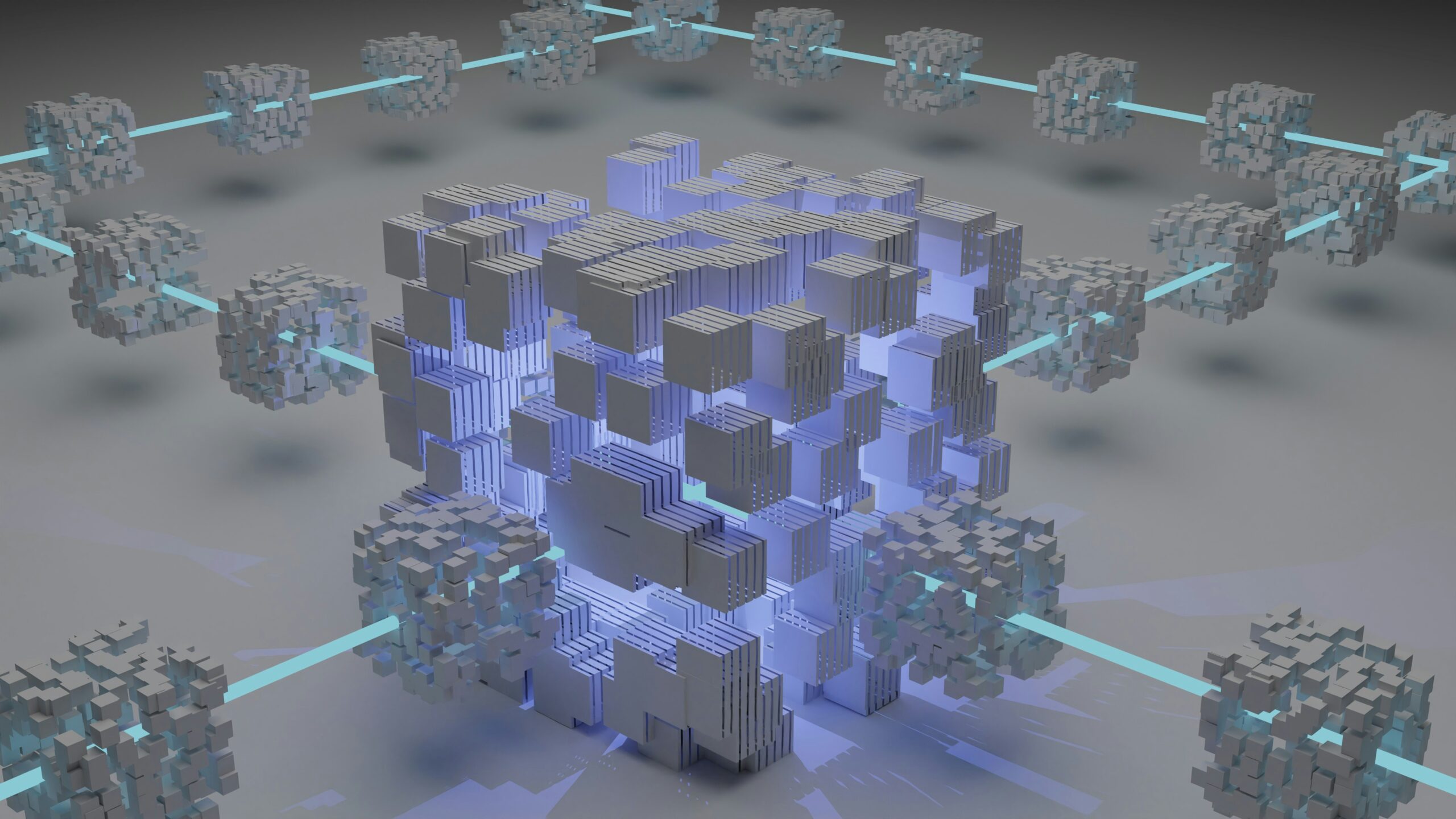
Announcing GondwanaChain: Enterprise-grade Blockchain-as-a-Service for businesses and organizations
We’re excited to announce GondwanaChain, a new Blockchain-as-a-Service (BaaS) offering designed to help businesses and organizations of all sizes in Africa and the world to harness the power of blockchain technology.
Built by Coin Afriq (Pty) LTD, GondwanaChain is an enterprise-grade, permissioned blockchain solution. This means it’s a private, secure, and blazingly fast network specifically designed for business use. Unlike public blockchains, access is controlled, which enhances security and ensures quicker transaction speeds.
Why Blockchain-as-a-Service?
While blockchain offers incredible benefits like enhanced security, transparency, and automation, the process of building and maintaining your own can be complex and expensive. Our BaaS model removes this barrier, giving you access to this powerful technology without the significant operational overhead. We handle the technical complexities so you can focus on what matters most: your business.
How Can GondwanaChain Transform Your Business?
Our platform utilizes smart contracts to automate everything from logistics and supply chains to administrative and financial tasks. This not only reduces costs and paperwork but also improves efficiency and provides a secure, transparent record of all operations.
GondwanaChain’s applications are incredibly versatile, benefiting various sectors from tourism and transportation to healthcare and agriculture. For example, you can:
- Tokenize Real-World Assets: Represent tangible assets like real estate or intangible ones like copyrights as digital tokens, unlocking new market opportunities and increasing liquidity.
- Improve Supply Chain Transparency: Trace goods from their origin to the end consumer, combating fraud and ensuring ethical sourcing.
- Automate Operations: Use smart contracts to handle secure payments, manage shareholder voting, and streamline administrative processes.
Our platform is built on secure, future-proof architecture, ensuring your data is protected against both current and future threats. We are one of the few companies offering this service, and one of an even smaller handful based and operating in Africa.
Ready to Learn More?
We welcome businesses and organizations interested in leveraging this innovative technology. To learn more about how GondwanaChain can benefit you, please feel free to contact us:
- Email: info@coinafriq.org
- Phone/WhatsApp: (+27) 0626404965
Or, for more in-depth details about the platform, check out our GondwanaChain page at https://www.coinafriq.org/pages/gondwanachain-blockchain-as-a-service, where you’ll find more information on how our service works and how it’s poised to help businesses thrive.
-

Follow the Lion – An Introduction to Cryptocurrency and Blockchains for Beginners and how Coin Afriq and the Imali Wallet make Digital Currency easy for everyone
Since its introduction in 2009, cryptocurrency has exploded since its introduction in 2009.
For years, a vision of a truly decentralized digital financial system was envisioned by pioneers of internet technology. Figures such as Wei Dai (developer of the the pioneering Crypto++ library of cryptographic algorithms, and b-money – an early publication on the concept of cryptocurrency), and Hal Finney (a well-known software developer for video games, early Bitcoin contributor, and activist) were instrumental in this vision.
This was all put into action by a person going by the pseudonym Satoshi Nakamoto, the creator of Bitcoin. Since then, Bitcoin has rapidly risen to be a become a well-known payment method and household name amongst tech-savvy people. At the time of writing, 1 Bitcoin (BTC) is equal to $118,945.60 (R2,133,562.01). This figure is constantly changing, but this represents astronomical growth considering that when Bitcoin was released, it was worth no real-world money or assets.
While Bitcoin (and other cryptocurrencies) are great — although with their own issues — they remain inaccessible to beginners who aren’t tech-savvy.
What we will explore here is an introduction to how blockchains and cryptocurrencies work, and how Coin Afriq is making cryptocurrency and blockchains easier to access for everyday people.
What is a blockchain?
When people first hear the term blockchain, they immediately assume it must be an extremely technical thing. It also doesn’t help that a lot of people in technology and crypto-advocates use a lot of jargon.
A blockchain is a distributed public ledger that is encrypted.
What does this mean?
A public ledger is just like a ledger in accounting — just a book or collection of financial accounts where transactions are recorded. Just like with accounting, there are opening balances, a list of transactions, and closing balances. In terms of being public, all this means is that everyone can read the opening balances, transactions, and closing balances.
Obviously, this initially sounds scary!
If all the transactions are public, could you possibly have personally identifying information all over the internet? Fortunately, no. The public ledger is encrypted using advanced cryptography. Only the transaction details, amounts, and timestamps are publicly available. Actual identities are heavily encrypted — usually, you’ll just see a long line of random numbers, letters, and symbols that is nearly impossible to trace to the person’s identity (this is why crypto wallets and crypto exchanges are required by law to use Know Your Client (KYC) and Anti-Money Laundering (AML) verification to combat crime).
Decentralization merely means that everyone gets a copy of the public details on the ledger (the transaction details, amounts, and timestamps mentioned above). Instead of a central database, everyone gets a copy on their network and/or device (computer or phone). This is good, because no single entity controls the network or data, ensuring there is no single point of failure or censorship.
The benefits of this technology are that it’s transparent — the blockchain can be easily audited, analyzed for network activity, and used to identify patterns or unusual activity.
What is a token or digital coin?
A token is simply a digital representation of a value.
You get two kinds: fungible tokens (these are, for example, coins), and non-fungible tokens (NFTs).
A fungible token just means that there can be multiple units, each holding the same value.
A non-fungible token is a unique asset that only exists in the hands of the owner (unfortunately, they’ve gotten a bad reputation due to being misused as images online — not their intended purpose).
What type of coins do you get?
The most common types of coins are:
- Mainstream Coins
- Altcoins
- Stablecoins
- Memecoins
Mainstream coins are the coins with high value you hear about every day — Bitcoin (BTC) and Ethereum (ETH). They aren’t very volatile, have great liquidity, and are commonly used. These coins are worth a lot, which is great if you have them, but can be very costly to acquire.
Altcoins are newer coins that don’t have the market share that Mainstream Coins have. They are legitimate coins, often with innovative technologies, and can be used for a wide range of applications.
Stablecoins are coins backed by real-world assets such as fiat currency (Tether USDT — pegged against the US Dollar) or rare minerals (Tether Gold XAU or PAX Gold PAXG). They are in huge demand, especially in Africa as their value is not very volatile, have great liquidity, and are actually backed by tangible reserves.
Memecoins are coins like DOGE, PNUT, and PEPE. They’re based around internet memes — humourous images, videos, GIFs, nd viral content that come and go in popularity. They are highly volatile and an extremely risky investment.
How do cryptocurrencies make money?
There are two main ways to “make money” with cryptocurrencies:
- Trading and Investment: Similar to normal money or stocks, cryptocurrencies can be sold, bought, and traded on the market. Based on the exchange rate, you can make a profit by buying low and selling high, just like in a traditional market.
- Earning through Transaction Verification: Additionally, transactions can also be verified by individuals in the community. This is done using two main variants (with various sub-variants): Proof of Work (PoW) and Proof of Stake (PoS).
Proof of Work uses a computational puzzle that the individual’s computer must solve. This in turns verifies the transaction, and the user gets a specific amount of the coin as a reward. This is what Bitcoin uses — unfortunately, it gets increasingly more complex, and it requires highly expensive computer equipment, not to mention uses a lot of electricity leading to environmental harm.
Proof of Stake is much better — it has low environmental footprint, doesn’t need a fortune in computer hardware, and can be used on any internet-capable device. This is what Ethereum uses for its blockchain. The problem with traditional Proof of Stake is that it only rewards those who already have a lot of coins to stake (put into the pool) to verify transactions — thus only those who already have a great sum of money will get a great sum of money. This also leads to centralization. Fortunately, there are variations on this verification method.
Where Coin Afriq Shines
Where Coin Afriq shines is that we use a system called Nominated Proof of Stake (NPoS). This system is fairer and more democratic — now your reputation is taken into regard from successful verifications and good ethics too, and you get nominated as an elector based on democratic voting. This ensures that everyone participates and grows their wealth by using Coin Afriq. This keeps up not only the original vision of cryptocurrency (fair opportunity and decentralization), but with our shared African values of democracy and being united together.
The Accessibility Problem
All this sounds great, but how do you actually use this? People don’t download their crypto wallet and can’t make heads or tails of it! Not everyone is a tech fundi — and you don’t have to be with our blockchain.
Our app (the Imali Digital Wallet — which will be available for both phones such as Apple iPhone or Google Android, or desktop such as Apple Mac, Windows, or Linux) is very simple — download it, register with your email address (including Apple ID or Google Account), and fill in the form, do your KYC/AML verification (all you need is your National ID and a selfie), and link your bank account.
After that, all you need to do is go to the menu option for transactions, and you can freely buy and sell Coin Afriq. For the those who wish to try their hand at staking — all you need to do is put in your tokens, and start voting. Once verification of the transactions is completed, you’ll receive your Coin Afriq at near-instant speeds.
Feeling lost? Fortunately, we’re adding a helpful AI chatbot called Ngala (Tsonga for lion), that will answer your questions, and help you navigate the Imali Wallet at all times.
Not a fan of apps? You can use all the same features on our website making sure everyone can use Coin Afriq! And we have long-term plans to translate our app and website to our national languages in South Africa, and later as part of our Pan-African expansion, more major African languages!
Ready to join the pride?
Check out https://coinafriq.org for more information!
We have a sign-up form for those interesting on when we launch at:
https://forms.gle/gf1g4EEV6kuyUTEa7
The moment we are listed, and ready to do our pre-sale, Initial Exchange Offering (IEO) and Main Launch, you’ll be the first to know! -

Beyond the Coin: Unlocking Real-World Impact with Coin Afriq’s Advanced Blockchain
While cryptocurrencies have dominated the public’s perception of blockchain technology, its true potential extends far beyond digital money. Blockchain’s inherent characteristics of decentralization, immutability, and transparency are poised to revolutionize a myriad of industries, fostering greater security, efficiency, and trust. Coin Afriq, a next-generation blockchain, is engineered to be at the forefront of this revolution, offering a robust and future-proof platform for real-world applications across diverse sectors.
Coin Afriq’s innovative features, including its Nominated Proof-of-Stake (NPoS) consensus, hybrid Post-Quantum Cryptography (PQC), ISO 20022 support, powerful smart contracts, and the efficient BZT network, lay the groundwork for a vast ecosystem of dApps, DeFi solutions, and both fungible and non-fungible derivative tokens. Let’s explore how Coin Afriq’s capabilities are set to transform key industries:
1. Travel and Hospitality: Seamless Journeys and Trusted Experiences
The travel and hospitality sector can be transformed by Coin Afriq’s ability to create a more direct, transparent, and personalized experience for travelers:
- Decentralized Booking Systems: Coin Afriq’s smart contracts can facilitate direct bookings between guests and hotels, bypassing intermediaries like travel agencies and significantly reducing commission fees. This means more savings for travelers and higher revenue for businesses.
- Secure & Transparent Transactions: Leveraging Coin Afriq’s secure and transparent payment processing, the risk of fraud and payment failures in bookings and services is drastically minimized. The BZT network ensures quick and cost-effective transactions.
- Cryptocurrency Payments: Coin Afriq natively supports cryptocurrency payments, offering guests more flexible and borderless payment options for their bookings and in-destination expenses.
- Tracing and Authenticity: Through the immutable ledger, Coin Afriq can track the origin and journey of products like food and beverages, ensuring quality, authenticity, and ethical sourcing (e.g., fair trade, co-ops) within hotels and resorts.
- Secure Data Storage: With its hybrid PQC, Coin Afriq provides an incredibly secure environment for guest information, making it extremely difficult for hackers to access or manipulate sensitive data.
- Verified Bookings and Ratings: Smart contracts can verify the authenticity of guest reviews and ratings, building unparalleled transparency and trust for future travelers.
- Secure and Transparent Rewards: Loyalty programs can be built on Coin Afriq, ensuring points are accurately tracked, securely redeemed, and resistant to manipulation.
- Personalization: Guest data, securely and privately managed on the blockchain, can be analyzed to offer tailored services and recommendations, enhancing the overall guest experience.
- Automated Processing: Smart contracts can automate guest check-in/check-out, room assignments, and access control, significantly improving operational efficiency.
- Tokenized Assets: The ability to create derivative tokens allows for the tokenization of hotel rooms or amenities, enabling fractional ownership and new investment opportunities.
2. Car Rental and Transportation: Efficiency, Security, and Smart Mobility
Coin Afriq’s robust platform can redefine the car rental and broader transportation landscape:
- Enhanced Transparency and Tracing: The immutable public ledger allows for real-time tracking of goods in the supply chain, ensuring unparalleled transparency from origin to destination. This is particularly crucial for high-value assets.
- Streamlined Operations:
- Route Optimization: Blockchain can optimize route management, track deliveries, and manage fleets more efficiently.
- Secure Payments: Coin Afriq’s secure cross-border payment capabilities, enhanced by ISO 20022 support, reduce transaction costs and time, mirroring advancements seen in services like Visa’s B2B Connect.
- Smart Contract Automation: Automated transactions for suppliers and carriers via smart contracts ensure prompt payment and minimize disputes, fostering smoother operations.
- Increased Security and Fraud Prevention: The immutability of Coin Afriq’s records makes tampering extremely difficult, reducing fraud and disputes, especially beneficial for tracking valuable cargo like rare earth minerals, pharmaceuticals, or food.
- Intelligent Transportation Systems (ITS): Coin Afriq can enhance data management and security within ITS, enabling real-time traffic monitoring and dynamic traffic control. The integration with IoT devices (e.g., sensors in autonomous vehicles) allows for blockchain-managed data, optimizing routes and improving traffic flow.
- Vehicle Lifecycle Management: Coin Afriq can create a digital passport for each vehicle, immutably tracking maintenance records, accident reports, and changes of ownership. This increases resale value, enhances safety, and improves overall fleet management.
- Public Transportation: From secure ticketing and payments to efficient data management and personalized journey searches, Coin Afriq can significantly improve passenger experience and operational efficiency in public transport. Reward systems for loyal customers can also be seamlessly implemented using derivative tokens.
3. Semiconductors: A Blueprint for Secure and Transparent Supply Chains
The semiconductor industry, with its complex global supply chains, stands to gain immensely from Coin Afriq:
- Supply Chain Transparency: Coin Afriq’s distributed public ledger, combined with cryptographic privacy features, ensures a transparent and immutable record of every step in the semiconductor’s journey, from raw materials to finished product.
- Anti-Counterfeiting: By creating a unique digital fingerprint (NFT) for each chip and tracking its movement on the Coin Afriq blockchain, the platform provides robust protection against counterfeit semiconductors.
- Streamlined Processes: Smart contracts on Coin Afriq can automate tasks like payments and contract management within the supply chain, significantly reducing manual intervention and boosting efficiency.
- Enhanced Collaboration: Coin Afriq facilitates secure and transparent information sharing among manufacturers, suppliers, and customers, fostering greater collaboration across the ecosystem.
- Quality Control: Smart contracts can be programmed to trigger payments or actions only upon verification of quality checks, further streamlining processes and ensuring adherence to standards.
- Regulatory Compliance: The auditable record provided by Coin Afriq allows semiconductor manufacturers to easily demonstrate compliance with various regulations, simplifying reporting and audits.
- Intellectual Property Protection: Coin Afriq can help protect IP associated with chip design by providing a secure and verifiable record of ownership through its robust tokenization capabilities.
- Secure Data Storage: Sensitive data related to chip design, manufacturing, and testing can be securely stored and managed on Coin Afriq, safeguarded by its hybrid PQC.
4. AgriTech: From Farm to Fork with Unprecedented Trust
Coin Afriq’s application in AgriTech offers solutions for a more transparent, efficient, and ethical food system:
- Enhanced Supply Chain Transparency: Coin Afriq creates a secure and transparent record of every transaction from farm to table, allowing real-time tracking of food products and fostering consumer trust.
- Improved Traceability: Consumers can access detailed information about product origin, processing methods, and farmer practices by scanning a QR code linked to the Coin Afriq blockchain, enabling informed purchasing decisions.
- Reduced Cost and Increased Efficiency: By eliminating intermediaries and automating transactions via smart contracts, Coin Afriq streamlines processes and lowers costs for both farmers and consumers.
- Combatting Food Fraud: Coin Afriq can verify the authenticity of products, helping to avoid counterfeiting and ensuring consumers receive genuine goods. Derivative tokens (NFTs) can represent unique product batches for enhanced verification.
- Sustainable and Ethical Sourcing: The blockchain can track a product’s journey, ensuring ethical and sustainable farming practices are followed, empowering consumers to support responsible producers.
- Direct Farmer-to-Consumer Sales: Coin Afriq can connect farmers directly with buyers, bypassing traditional intermediaries, potentially leading to fairer prices for farmers and lower costs for consumers.
- Improved Efficiency: Smart contracts on Coin Afriq automate payments, agreements, and other processes, further reducing the need for intermediaries.
5. MediTech (Healthcare): Secure, Patient-Centric Healthcare
Coin Afriq’s features are ideally suited to address the critical challenges in healthcare:
- Secure and Interoperable Electronic Health Records (EHRs): Coin Afriq can facilitate the secure sharing of patient data among different healthcare providers while maintaining patient privacy and control. A comprehensive and easily accessible medical history improves care continuity and reduces medical errors.
- Enhanced Data Security and Privacy: Coin Afriq’s robust cryptography, including hybrid PQC, encrypts sensitive patient data, making it difficult for unauthorized parties to access. Smart contracts empower patients to control who can access their information.
- Pharmaceutical Supply Chain Management: Coin Afriq can trace pharmaceuticals from the manufacturer to the patient, ensuring authenticity and preventing counterfeit drugs, significantly improving patient safety.
- Streamlined Clinical Trials: By providing an immutable record of research findings, Coin Afriq enhances the integrity and transparency of clinical trial data, accelerating the development of novel treatments.
- Telemedicine and Remote Patient Monitoring: Coin Afriq can facilitate secure and efficient communication for telemedicine consultations and secure the storage of patient data collected through remote monitoring devices, enabling personalized treatment plans.
- Data Economics: By incentivizing stakeholders to participate, Coin Afriq can foster a data economy where researchers and authorized parties can securely access valuable anonymized data for research purposes.
- Addressing Healthcare Challenges: Coin Afriq directly addresses data fragmentation, security breaches, and interoperability issues, fostering greater collaboration and data sharing among stakeholders.
- Regulatory Compliance: Coin Afriq provides immutable audit trails of data transactions, helping healthcare organizations comply with regulatory requirements like HIPAA and enhancing data governance.
6. Charity and Mutual Aid: Trust, Transparency, and Efficiency
Coin Afriq can revolutionize the charity sector, building greater trust and streamlining operations:
- Increased Transparency: Coin Afriq’s transparent ledger allows donors to track their contributions from donation to distribution, fostering unprecedented trust in charities.
- Reduced Costs and Improved Efficiency: By eliminating intermediaries and automating processes with smart contracts, Coin Afriq significantly lowers transaction fees and administrative costs for charities, ensuring more funds reach beneficiaries. It also streamlines the donation process, especially crucial during emergencies.
- Enhanced Security: Coin Afriq’s robust security features, including hybrid PQC, protect against fraud and misuse of funds, offering greater assurance to donors.
- Secure P2P Transfers: Coin Afriq can facilitate direct and secure fund transfers between individuals or groups in mutual aid networks, bypassing traditional financial institutions and empowering communities.
- Transparency in Disaster Relief: In disaster situations, Coin Afriq can help track aid distribution, ensuring resources reach those who need them most, minimizing diversion and maximizing impact.
- Facilitating Crowdfunding: Blockchain-based platforms on Coin Afriq can manage crowdfunding campaigns for mutual aid initiatives, ensuring transparency and accountability for all contributions.
7. Real Estate: Modernizing Property Transactions and Investment
Coin Afriq offers a comprehensive solution for a more efficient, transparent, and accessible real estate market:
- Streamlined Transactions: Coin Afriq can drastically reduce transaction times by cutting out intermediaries and automating processes like payments and title transfers using smart contracts. This simplifies property management, automates lease renewals, and manages security deposits with real-time accounting.
- Enhanced Transparency and Security: Coin Afriq provides a tamper-proof and transparent ledger for property ownership and transaction history, making it easier to verify ownership, resolve disputes, and conduct due diligence. This significantly reduces fraud and builds trust among all parties.
- New Opportunities and Marketplaces: Coin Afriq enables the tokenization of real estate assets (using NFTs), facilitating fractional ownership and making real estate investments more accessible and liquid. Tokenized real estate can be easily traded on Coin Afriq-based platforms, increasing liquidity and creating new opportunities for direct peer-to-peer transactions and decentralized markets.
- Applications: Coin Afriq’s capabilities extend to securely managing mortgages, streamlining property management, and establishing immutable land registries.
8. Energy: Powering a Sustainable Future
Coin Afriq contributes to the energy sector’s evolution towards sustainability:
- Decarbonization: Coin Afriq’s traceable, secure, and quick transactions incentivize the production and consumption of 100% renewable energy by providing a transparent and efficient mechanism for tracking carbon credits and energy provenance.
9. EduTech: Verifiable Credentials and Enhanced Learning
Coin Afriq empowers a new era of secure and accessible education:
- Secure Credential Verification: Coin Afriq can securely store digital certificates, diplomas, and transcripts as NFTs on its public ledger, allowing for instant and fraud-proof verification of academic achievements by employers and institutions globally.
- Data Management and Accessibility: Coin Afriq improves data security and privacy by distributing records across multiple nodes, reducing the risk of breaches. Students gain control over their academic records and can manage access to their information.
- Enhanced Learning Experience: Coin Afriq supports personalized learning by transparently tracking student progress. It facilitates the creation of global student profiles and enables tokenized incentives for learning and micro-credentials, recognizing specific skills and achievements.
- Cost Reduction: By streamlining credential verification and data management, Coin Afriq significantly reduces administrative costs for educational institutions, potentially lowering the overall cost of education.
10. Music: Empowering Artists and Revolutionizing the Industry
Coin Afriq offers a decentralized and equitable future for the music industry:
- Direct-to-Fan Engagement: Coin Afriq allows musicians to interact directly with fans, bypassing traditional intermediaries like record labels, fostering deeper relationships and personalized experiences.
- Tokenization and Ownership: Artists can tokenize their music, artwork, and concert tickets using Coin Afriq’s NFT capabilities, allowing fans to own a piece of the artist’s work and participate in its appreciation.
- Transparent Royalty Tracking: Coin Afriq provides transparent tracking of royalty payments, ensuring artists receive accurate compensation. Smart contracts automate royalty distribution, reducing delays and disputes.
- New Revenue Streams: Coin Afriq facilitates new revenue models, including direct sales of music and merchandise, fan subscriptions, and tipping, empowering artists with greater financial control.
- Copyright Protection: Coin Afriq can create immutable records of ownership for creative works, making it significantly harder for unauthorized parties to infringe on an artist’s intellectual property.
- Reduced Reliance on Intermediaries: Coin Afriq enables the verification of merchandise authenticity and tracking through the supply chain, ensuring fans receive genuine products.
- Decentralized Streaming: Coin Afriq’s infrastructure supports the development of blockchain-based streaming services where artists retain more control over their music and receive a greater share of revenue.
Coin Afriq: Building the Future, Block by Block
Coin Afriq’s comprehensive suite of features, from its energy-efficient NPoS consensus and quantum-resistant hybrid PQC to its ISO 20022 compliance and robust smart contract capabilities, positions it as a leading platform for real-world blockchain adoption. By supporting dApps, DeFi, and the creation of both fungible and non-fungible derivative tokens on its BZT network, Coin Afriq is not just participating in the blockchain revolution; it is actively shaping a more secure, transparent, and efficient future across diverse industries, particularly in Africa and beyond.
Sources:
General Blockchain Applications Beyond Cryptocurrency:
- IBM. (n.d.). What Is Blockchain?. Retrieved from https://www.ibm.com/think/topics/blockchain
Industry-Specific Applications:
Travel and Hospitality:
- Önder, I., & Gunter, U. (2022). Blockchain: Is it the future for the tourism and hospitality industry? Tourism Economics, 28(2), 291-299.
Car Rental and Transportation:
- Carey, R., Coleman, C. G., & White, T. M. (2024). The Impact of Blockchain on Logistics and Supply Chain Management: A Review. Journal of Procurement and Supply Chain Management, 3(1), 1–11. Retrieved from https://gprjournals.org/journals/index.php/JPSCM/article/view/235
- ResearchGate. (2025). A Decentralized Car Rental Transaction Management System Using Blockchain and IPFS. Retrieved from https://www.researchgate.net/publication/388098053_A_Decentralized_Car_Rental_Transaction_Management_System_Using_Blockchain_and_IPFS
Semiconductors:
- Deloitte US. (n.d.). Using Blockchain to Drive Supply Chain Transparency and Innovation. Retrieved from https://www.deloitte.com/us/en/services/consulting/articles/blockchain-supply-chain-innovation.html
.
AgriTech:
- Pal, A. B., & Meena, S. S. (2024). Blockchain Technology An Emerging Mechanism in Agriculture. ResearchGate. Retrieved from https://www.researchgate.net/publication/377931100_Blockchain_Technology_An_Emerging_Mechanism_in_Agriculture
- Eden Green. (n.d.). Blockchain Agriculture: Revolutionizing Farming with Eden Green. Retrieved from https://www.edengreen.com/blog-collection/blockchain-technology-in-agriculture
MediTech (Healthcare):
- Investopedia. (n.d.). How Healthcare Is Applying Blockchain Technology. Retrieved from https://www.investopedia.com/tech/how-health-care-moving-toward-blockchain/
Charity and Mutual Aid:
- ResearchGate. (2021). How Blockchain Can Reinvent the Field of Charity – A Case Study. Retrieved from https://www.researchgate.net/publication/367819944_How_Blockchain_Can_Reinvent_the_Field_of_Charity_-_A_Case_Study
Real Estate:
- InApp. (n.d.). Blockchain in Real Estate – Advantages, Use Cases, and Challenges. Retrieved from https://inapp.com/blog/blockchain-in-real-estate-advantages-use-cases-and-challenges/
Energy:
- ResearchGate. (2025). Blockchain technology in energy systems: A state‐of‐the‐art review. Retrieved from https://www.researchgate.net/publication/366504902_Blockchain_technology_in_energy_systems_A_state-of-the-art_review
EduTech:
- GeeksforGeeks. (2025). Role Of Blockchain Technology in Education in 2025. Retrieved from https://www.geeksforgeeks.org/blogs/role-of-blockchain-technology-in-education/
Music:
- The Music Universe. (2025). The Blockchain Beat: Why the music industry is listening closely. Retrieved from https://themusicuniverse.com/the-blockchain-beat-why-the-music-industry-is-listening-closely/