Your basket is currently empty!
Author: Andre Theron
-
GondwanaChainAfrica’s Blockchain. Africa’s Future.
FOR IMMEDIATE RELEASE
KwaZulu Natal, South Africa — 2026
GondwanaChain Launches Africa’s First Natively Hosted Blockchain-as-a-Service Platform — Built on the Continent, for the ContinentEnterprise-grade blockchain infrastructure — powered by Hyperledger Iroha2, secured with Post-Quantum Cryptography, and hosted entirely within Africa — is now available to businesses across every sector of the continent’s economy.
IMPORTANT NOTICE
GondwanaChain is a technology infrastructure provider. We provide blockchain platform software, managed node infrastructure, and developer tooling. We do not provide financial services, investment advice, payment services, or any product regulated under the Financial Advisory and Intermediary Services Act (FAIS), the Financial Markets Act, or any other financial services legislation. Any application of GondwanaChain infrastructure to regulated financial activities is the sole responsibility of the licensed entity deploying such application.
Prospective clients in regulated sectors are advised to obtain independent legal and compliance counsel prior to deployment.GondwanaChain today announced the general availability of its Blockchain-as-a-Service (BaaS) platform — a fully managed, enterprise-ready blockchain infrastructure solution designed specifically for African businesses. Unlike global competitors whose services route sensitive data through datacentres in Europe or North America, GondwanaChain runs entirely on servers hosted in Africa, making it one of the very few — and most capable — natively African blockchain platforms in existence.Built on Hyperledger Iroha2 with smart contracts written in Rust and compiled to WebAssembly (WASM), GondwanaChain delivers financial-grade performance, sovereign data residency, and cutting-edge Post-Quantum Cryptographic security — all delivered through a simple subscription model that eliminates the need for businesses to build or maintain their own blockchain infrastructure.
“Africa has long been a consumer of technology built elsewhere. GondwanaChain changes that. This is enterprise blockchain infrastructure conceived, built, and hosted on African soil — and it is world-class.”— GondwanaChain Founding Team
Platform Performance at a Glance
<1sTransaction Finality 10,000+TPS Throughput
99.95% Uptime SLA
PQC Post-Quantum Secured
100%Africa-Hosted Data
3 Plans Starter → Enterprise
Minutes Time to Deploy
GDPR+Compliance Ready
Why Blockchain — and Why Now for Africa
Blockchain technology provides a tamper-proof, shared record of transactions that no single party can alter unilaterally. For African enterprises operating in environments where trust, transparency, and auditability are critical competitive advantages, the implications are transformative.
Immutable audit trails that satisfy regulators without expensive reconciliation processes▸ Smart contracts that execute agreements automatically, eliminating delays and disputes.
Decentralised infrastructure that keeps operating even when individual nodes fail▸
Cryptographic proof of data integrity, replacing paper-based verification systems▸
A verifiable, shared ledger layer on which licensed financial service providers can build near-instant cross-border and interbank solutions.
With Africa’s digital economy projected to reach $712 billion by 2050 (IFC), and with financial inclusion, supply chain integrity, and government digitalisation topping the agenda of every major economy on the continent, the demand for trustworthy, verifiable, and locally governed digital infrastructure has never been greater.What Blockchain-as-a-Service Means for Your Business
Building and maintaining a permissioned blockchain network in-house requires rare expertise in distributed systems engineering, cryptography, and DevOps — typically a team of five to ten specialists and 12 to 18 months of development time. GondwanaChain eliminates that barrier entirely.
Fully managed infrastructure — GondwanaChain handles provisioning, monitoring, upgrades, and security patching.
Go live in minutes — automated deployment to cloud.co.za servers means a complete Iroha2 blockchain network is running in under ten minutes from sign-up.
Predictable costs — simple monthly subscription replaces seven-figure capital expenditure on hardware and engineering talent
Scale on demand — add nodes or upgrade from Starter to Enterprise without service interruption
Your keys, your data — each customer receives an isolated network, a dedicated Authentik SSO tenant, and full API access to their chain.
The African Advantage: Sovereign, Local, Competitive
Most enterprise blockchain platforms available to African businesses today are operated from datacentres in Frankfurt, Dublin, or Virginia. This creates significant risks and costs that are frequently overlooked:
Data sovereignty risk — sensitive business and citizen data leaves the continent, creating exposure under POPIA, Kenya’s Data Protection Act, Nigeria’s NDPR, and emerging frameworks across the AU
Latency penalties — round-trip times to European servers add 150–300ms per transaction, which compounds severely at scale
Currency exposure — USD and EUR-denominated pricing leaves African businesses exposed to exchange rate volatility
Support time zones — European business hours leave African customers waiting for critical infrastructure support GondwanaChain is different. Our entire platform runs on servers physically located in Africa. Your data never crosses a continental border. Our pricing is designed for African markets.
And our support team operates in African time zones.We are one of the very few — and the most technologically advanced — Blockchain-as-a-Service providers natively hosted on the African continent.World-Class Technology Stack.
GondwanaChain is built on a technology foundation that matches or exceeds anything available from global providers:▸
Hyperledger Iroha2 — the latest generation of the battle-tested Hyperledger permissioned blockchain, purpose-built for enterprise use cases with BFT consensus and Byzantine fault tolerance▸
Rust + WASM Smart Contracts — smart contracts compiled to WebAssembly deliver near-native execution speed with memory safety guarantees and a dramatically reduced attack surface compared to EVM-based alternatives▸
Hybrid Post-Quantum Cryptography — GondwanaChain is one of the first commercial BaaS platforms to implement PQC, protecting customer data against the threat of quantum computing before it arrives▸
Authentik SSO — each customer receives a fully isolated Single Sign-On tenant with OpenID Connect, providing enterprise identity management without additional tooling▸
Tauri-based Admin Console — a native desktop application for full platform management, built on a Rust backend with React for a fast, secure, and offline-capable interface▸
Supabase + Redis — real-time data infrastructure with row-level security ensuring complete tenant isolation at the database layer Transformative Use Cases Across Africa’s Key Sectors
FINANCIAL SERVICES & FINTECH
Infrastructure rails for licensed fintechs to build settlement and payment solutions with cryptographic finality and immutable audit trails▸ Programmable compliance tooling: enabling licensed financial institutions to embed their own regulatory logic directly into smart contracts — reducing reconciliation overhead and manual reporting
A trusted, verifiable ledger layer that licensed asset managers, payment processors, and cross-border service providers can build on — without managing their own blockchain infrastructure
SUPPLY CHAIN & LOGISTICS
End-to-end provenance tracking from farm or factory to end consumer
Automated customs clearance and trade finance via smart contract triggers
HEALTHCARE & PHARMACEUTICALS
Counterfeit prevention for pharmaceutical, agricultural, and luxury goods
Patient records shared securely across providers with full audit trail and patient consent management▸ Cold-chain verification for vaccine and medicine distribution across remote regions▸
Immutable clinical trial data that meets international regulatory requirements
GOVERNMENT & PUBLIC SECTOR
Land registry and property title management on an immutable, publicly verifiable ledger
Procurement transparency — every tender, award, and payment recorded and auditable by citizens
Digital identity infrastructure enabling secure, self-sovereign ID for unbanked populations.
RETAIL & E-COMMERCE
Loyalty programmes that are portable across merchants and cryptographically verifiable
Supplier payment automation via smart contracts triggered by delivery confirmation
Consumer-facing product authenticity certificates on public blockchain explorer
LEGAL & COMPLIANCE
Smart legal contracts that self-execute on verified conditions — reducing dispute resolution time from months to seconds▸ Immutable evidence preservation for litigation and regulatory investigations▸ Automated regulatory reporting with tamper-proof audit logs
Flexible Plans Built for African Business
STARTER1 Iroha2 NodeShared InfrastructureIdeal for: SMEs, pilots, MVPs
BUSINESS 3-Node BFT Network Dedicated Infrastructure Ideal for: Mid-market, regulated sectors
ENTERPRISE5-Node HA NetworkFully Dedicated + SLAIdeal for: Corporates, government, banksAbout GondwanaChainGondwanaChain is an African-founded, African-hosted Blockchain-as-a-Service company on a mission to make enterprise-grade blockchain infrastructure accessible to every business on the continent.
Our platform combines the world’s most advanced permissioned blockchain technology — Hyperledger Iroha2 — with Post-Quantum Cryptography, WASM smart contracts, and a fully managed deployment model that gets businesses live in minutes, not months.Gondwana — the ancient supercontinent from which Africa emerged — is our inspiration. Just as Gondwana was the foundation of the modern world, GondwanaChain is building the foundational trust layer of Africa’s digital economy.
LEGAL & REGULATORY NOTICE
GondwanaChain (Pty) Ltd is a technology infrastructure company. Nothing in this press release constitutes the provision of financial services, financial advice, investment advice, or intermediary services as defined under South African law or the laws of any other jurisdiction. GondwanaChain does not hold a Financial Services Provider (FSP) licence issued by the Financial Sector Conduct Authority (FSCA) and does not conduct any activity requiring such a licence. References to financial services sector use cases describe technology infrastructure capabilities available to appropriately licensed entities only. This document is issued for informational and marketing purposes only.
GondwanaChain https://gondwanachain.online
Pioneering blockchain infrastructure for the African continent.
###End of Press Release
-

The Decline of Bitcoin in the Age of Stablecoins and Quantum Computing
In the last few weeks, Bitcoin has steadily taken a fall with a value once surpassing $126 296 declining to USD87 390 at an over 30% decline.
Bitcoin – once thought infallible in the cryptoworld, is now beginning to attract skepticism for investors. While not an indictment of blockchains or cryptocurrencies, it serves a stark reminder that nothing is too big to fail.
In this article, we’ll explore the reasons behind the current decline of Bitcoin, and what the alternatives are.
The Last Few Weeks in Review
On October 6 2025, Bitcoin reached its zenith in terms of value with valuation USD126 296. This was the highest Bitcoin ever traded…and then it crashed.
Satoshi Nakamoto, the elusive founder of Bitcoin’s own personal Bitcoin shrunk to USD96.129 billion losing USD42.79 billion of his fortune. It was estimated before that if Forbes counted anonymous figures like Nakamoto, he’d be high up among the list of the world’s richest people. At present, he now would rank number 20, below Bill Gates and above Fracoise Bettencourt Meyers & Family.
In addition, Bitcoin has shed almost USD800 billion since October, leading towards its worst month since 2022.
Mitigating Factors
The are several contributing reasons for Bitcoin’s slump, which unfortunately could have been predicted by market watchers with keen eyes.
The first factor is macroeconomic factors – US Federal Reserve interest rate cuts are dragging down speculative assets like Bitcoin. Cryptocurrencies are traded usually as high-risk tech assets, and when traditional risk assets like tech and AI stocks are weak, speculative cryptocurrencies tend to under-perform.
Volatility is also a huge factor – thinner order books after the flash crash in October related to the renewed trade war concerns between the United States of America and the People’s Republic of China. This has led to think liquidity.
There is also an increase in consumers favouring stablecoins, especially in developing regions. This is logical, as stablecoins are backed by assets that have established monetary values like fiat currencies or rare precious materials.
The result? Increased ETF outflows such as on a single day in November when net outflows exceeded USD900 million, forcing funds to sell Bitcoin to meet redemption. Short-term traders and long-term investors are selling into any bounce attempt and locking in profits after significant gains respectively, thus creating a bearish sentiment.
There’s also another huge factor though.
Day Zero
Quantum Computing is advancing rapidly. Presently, more and more of the available Bitcoin is susceptible to quantum computer attacks, last at 25% earlier this year.
The moment a Quantum Computer can solve an algorithm known as Shor’s Algorithm in under 10 minutes, all Bitcoin and the entire network will be vulnerable to intrusion.
Community maintainers are already scrambling to work out a solution – should they freeze all operation on the Day Zero when Bitcoin is entirely vulnerable to quantum computers, or should they fork the project? Or both?
The Elpis
Much like the myth of Pandora in Greek mythology of old where all the evils were released from a jar, hope remained behind to comfort humanity.
NIST has released it’s finalists last year for Post-Quantum Cryptography algorithms. Stablecoins are an option…and that’s what we’re doing.
With our blockchain and cryptocurrency, we already have built-in Post-Quantum Cryptography based on the NIST standard along with plans to peg our token to gold after launching in a phased approach.
This could result in a stable medium worldwide, especially in developing countries, which simultaneously being future-proof against quantum attacks.
Could this be our cornucopia of the crypto world? Time will tell, but the probability is high.
Should our projects interest you, and you’re interested in partnership or investment, feel free to reach out via email at technical@coinafriq.org or phone +27626404965 (available on WhatsApp too).
We thank you for reading this article.
-

How a Blockchain could benefit your business
Blockchain technology (a distributed immutable ledger) has gotten increased interest over the last few years due to its ability to streamline operations, reduce administrative burden, and increase trust and transparency. Originally solely used to power cryptocurrencies, Blockchains have been shown to have far more potential than originally imagined with applications beyond the web3 and crypto world, including applications such as logistics, quality control, verification of identity and tokenization of Real-World Assets such as real-estate and equities.
Blockchain basics
Blockchains, as mentioned before, operate as a distributed public ledger (similar to a ledger in accounting and finance) that is immutable. This means that everyone with the credentials to access the blockchain has access to it and a copy of it. Being immutable, it keeps a complete record of all prior transactions that cannot be altered. All new transactions are recorded in real-time with stamps of who made the entry, amounts, etc.This technology is secured by state-of-the-art encryption (in the case of GondwanaChain, even protecting against threats of emerging Quantum Computers), which combined with user education and steps like multi-factor authentication creates an extremely low risk of being compromised.
Further, most Blockchains (including GondwanaChain) use Smart Contracts – digital contracts that are self-executing. These are not only legally binding, but also massively reduce paperwork that normally slow down operations and legal work for most businesses.
What industries can use Blockchains?
Blockchains can be used by a plethora of industries in diverse sectors such as logistics, education, healthcare, or (more recently) real-estate and investment.Imagine routes for logistics companies being optimized for the most cost-effective and fuel saving option while simultaneously ensuring speedy delivery of goods. In education, Blockchains can be utilized as a verifiable record of student achievements and accreditation to even creating engaging lesson plans tailor-made for the student. Medical details of patients can be confidentially shared (with consent) to ensure customized treatment plans and preventative medicine specifically to the individual patient.
For real-estate, any fraction of ownership can be tokenized, enabling investors to combine their resources to purchase more lucrative properties, thereby democratizing ownership and increasing financial participation ensuring future-growth of entrepreneurs.
Even companies shares or equity can be tokenized to ensure a verifiable record of ownership, ensure dividends are paid out correctly, and reduce the burden of accountants and financial professionals.
How can we use a Blockchain?
Blockchains are expensive to build yourself, requiring many months of research and development as well as planning the infrastructure. This is why Blockchain-as-a-Service cloud offerings exist.Most Blockchain-as-a-Service offerings are hosted in the US, Europe or Asia, costing a premium for people in developing nations such as in continental Africa.
This is where GondwanaChain differs.
Our cloud-based Blockchain-as-a-Service is entirely African based, built and run by Africans, and priced appropriately for the African market with various tiers catering to businesses small and large. Our Blockchain is built on foundational technology as trusted by the Linux Foundation and offers an enterprise-grade Blockchain complete with provisioning, custom smart contract developing, and live monitoring of data. Things many Blockchain-as-a-Service companies do not offer, all in an affordable package.
Can we invest in your offering?
Absolutely!We still have many openings for investors who wish to help our company and its offerings grow.
We are open to both equity and debt-based finance.Should you be interested in investing, please contact technical@coinafriq.org or call +27626404965 (available on WhatsApp).
-

Empowering the future of investment and the next-generation of entrepreneurs
Blockchains (a distributed ledger that is immutable) has already taken the world by storm due to being the engines behind cryptocurrencies, whether established cryptocurrencies, alternative coins or even stablecoins (tokens backed by legal tender, normally either currency or a high-value commodity such as gold).
As blockchains have continued to revolutionize multiple industries in diverse sections even outside of the crypto and web3 spaces, a strong interest has developed into using blockchains for the tokenization of Real-World Assets.The History of Blockchains as a catalyst for Real-World Assets
While early digital representations of illiquid assets were attempted via predecessors to blockchains such as E-Gold, they suffered from severe issues with scalability.
After Bitcoin was introduced in 2009, a renewed interest in tokenization was spurred with attempts such as Colored Coins and Mastercoin being the original implementations of RWA tokenization. Because of the technological limitation, this ultimately failed.After Ethereum was launched in 2015 with the concept of the Smart Contract (a secure self-executing contract), it significantly impacted this endeavour as this allowed management of the complex rules of asset ownership and transfer without intermediaries.
This breakthrough prompted the launch of Digix in 2015 which enabled the first tokenization of a Manhattan condominium in 2018 thus proving the feasibility of the concept. After the development of the ERC-20 token standard, this provided a “universal language” for tokens, enabling interoperability and making RWA tokenization more practical.
The Contemporary Era
Since 2020 there has been institutional adoption and growth due to institutional interest, improved technology, and greater regulatory clarity.
Major financial groups such as BlackRock, JPMorgan, and Franklin Templeton have launched pilot programs and tokenized funds (e.g. BlackRock’s BUIDL fund).
This has generated a market growth of nearly tenfold from $2.9 Billion (USD) to over $30 Billion by late 2025. Standard Chartered projects that tokenized RWAs will surge to over $2 Trillion by 2028. Of that, an estimated $750 Billion is expected to flow into tokenized money-market funds, another $750 Billion into tokenized U.S equities, with the rest spread across real-estate, private credit, commodities, and debt.
The current leaders of the Tokenization Race are Securitize Inc ($4 Billion+ tokenized funds as of May 2025), R3 ($10 Billion+ on regulated networks), and Avalanche ($6 Billion on-chain Private Equity).
Why is tokenization important?
Tokenization of Real-World Assets via Blockchains offers a secure and streamlined approach for investors, organizations, and businesses to fuel economic growth and help development and growth for entrepreneurs and industry leaders.
With the use of tokenized assets (whether fungible i.e for items where there are multiples, or non-fungible i.e only one can exists such as an identity), industries can forge the next generation of development and industry without the limitations of traditional borders.
Assets such as tangible assets (i.e real-estate, rare artworks, vehicles, etc.) or intangible assets (i.e equities or shares) can be tokenized and due to the robust nature of blockchains, this can allow for novel investment strategies such as fractional ownership (where multiple groups of investors can band together to stake in larger and more profitable ventures).
How is the GondwanaChain project addressing this?
Our blockchain is built on an enterprise-grade framework by highly regarded open-source institutions, and enhanced with next-generation features such a Post-Quantum Cryptography for future-proofing security, and ISO20022 for seamless integration with traditional finance.
In addition, our solution is less resource intensive, more affordable, and specifically targeted with the African continent.
We presently are welcoming early adopters and investors for mutually beneficial collaboration to ensure greater participation in this rapidly growing industry.
At present we are raising $500 000 (US Dollar) to help launch our project.
If you are interested in collaborating with us, please email us at technical@coinafriq.org.We thank you for reading this document.
-

Invest in Mother Africa – Humanity’s Homeland
The Future of Transparency, Accountable and Efficiency with Coin Afriq and GondwanaChain
Technology has rapidly progressed since the first computers were developed.
We have gone from the invention of the internet into the modern age of blockchains and now LLMs (colloquially known as AI).
The problem is many businesses in both traditional avenues and modern sectors are still relying on legacy technology, slowing down progress, efficiency, and driving up costs.
Furthermore, traditional finance has failed many people, especially in the developing world.
In the Global South wealth inequality, corruption, conflict, and foreign interference has stripped developing nations of their natural wealth – leaving the majority of residents and citizens in poverty. We see this clearly highlighted in Africa.Our aim with our two sister projects – GondwanaChain and Coin Afriq, is to address these problems while tackling pressing international issues like hunger, poverty, and environmental damage by using the benefits of cutting-edge technology.
The Problem with Legacy Technology
Most businesses today use outdated software that don’t harness the power of modern computing and the internet. While attractive and user-friendly interfaces exist, until the hood most of the tools used differ little from traditional calculators and spreadsheets.
In addition, with the lack of integration and the reliance on third-party software, this creates a nightmare to administrate, automate, track, and increase costs exponentially.Traditional centralized server-based solutions rely on a single point of failure that is vulnerable to hacking, electrical faults, and require extensive training for basic operations.
Where the Blockchain comes in
Blockchains do not have to rely on cryptocurrency as we’ve mentioned in previous posts.
Blockchains merely power cryptocurrencies. A blockchain is simply a distributed ledger (same as you find in accounting) that has an immutable record (previous data cannot be erased or tampered with). In addition, blockchains are secured using the latest cryptoggraphic standards ensuring that current threats and even future threats can be guarded against.
By ensuring that everyone with the relevant credentials have a copy of the records (hence distributed), stakeholders can have a live overview of all transactions in real-time, ensuring any fraud and mismanagement can be immediately identified.How AI factors in
By adding AI to the technology stack, we can ensure a guided user-friendly environment for business and organizations to work with in addition to leveraging AI to calculate means to ensure increased productivity and efficiency while reducing administrative burden thus saving costs.
In the case of logistics, the best route can be calculated using AI and Blockchain technology minimizing service interruptions and reducing costs such as fuel used, toll fees, etc.
Third-party Software
We don’t need to completely erase the tools end users are used to.
Our Blockchain uses a format called WebAssembly (WASM) that can use almost any programming language to complete to a small optimized machine-readable file that can be shared regardless of platform.
In addition for web integration our solution provides both traditional communication (such as REST and GraphQL) as well as next-generation methods such as RPC.Is It User-friendly?
GondwanaChain Connect is a powerful yet simple to use application that can be run on your computer, phone or even web browser. All that is required is an internet connection.
And it works regardless of operating system, so if you love Mac, Windows or Linux, you’re in safe hands, and it will sync across platforms effortlessly.
Wealth Inequality and Democratization of Ownership
Africa, while rapidly developing, is still plagued by poverty.
Most Africans have no share in the natural wealth of their own continent.
This problem is further compounded by corruption, conflicts, and monopolization by wealthy owners in the more developed world.
Our solution is a Pan-African cryptocurrency (powered by our Blockchain) that is fairer, more democratic and more decentralized with low financial and technological barriers for greater participation by ordinary people in Africa.Many people in Africa have been failed by traditional financial institutions especially in rural areas, and rely on cross-border remittances to provide for their families. Cross-border payments are extremely slow using traditional banking transfers.
This is an area where cryptocurrency can shine. In addition, Coin Afriq is fully integrated with ISO20022 to work with traditional financial institutions.
To address the issue of ownership, our goal is to peg our cryptocurrency to gold in a phased approach, ensuring both early investors and ordinary people can actually own a share in the natural mineral wealth of Africa.What sets Coin Afriq apart?
With Coin Afriq, you don’t need a large amount of wealth to participate.
The launch price of our cryptocurrency is affordable to most people in Africa.
No specialized equipment is required to participate due to using a Nominated Proof of Stake system (instead of “mining” equipment or only those with a lot of coins being able to stake, our system is a democratic system based on voting and reputation).Our security uses next-generation technology to ensure not protection against current threats by malicious people, but also in the future against Quantum Computing by using the latest cryptography as recommend by NIST.
In addition, our wallet application – the Imali Digital Wallet is simple to use and accessible, and can be used on any devices that has internet capability (your computer, phone, or even your web browser).
This creates an ecosystem with vast potential from Decentralized Applications, Decentralized Finance and even derivative tokens.
How can we be part of the future of Humanity and Africa?
We are open to block investments via fractional investment using either equity or loan-based investment. We currently have an open block for a value of $350 000 (US Dollars).
If tackling poverty and helping Africa grow appeals to you, please feel free to contact us on info@coinafriq.org or visit our website at https://coinafriq.org
Our websites are also available at https://coinafriq.org and https://gondwanachain.online
-

GondwanaChain – A Permissioned Blockchain for Business and Organizations
Gondwana chain is an exciting new endeavour for businesses and organizations in Africa. We are building the first Blockchain-as-a-Service implementation in Africa using enterprise-grade security to ensure businesses and organizations can reduce their overhead and maximize profits without compromising on offerings or security.
Our blockchain features next-generation technology with a robust business model and potential for synergy across multiple sectors and industries.
Business Model and Strategy
We plan on releasing our offerings in a phased approach with various tiers to make our BaaS affordable for small businesses and organizations to large enterprises and consortiums.
Revenue Model
Hourly/Pay-as-you-go
- Per node/instance:
- $0.55
- Storage fee:
- $0.12 (per Gigabyte per month)
- API fee:
- $3.00 (per million requests)
Monthly (Developer/Starter)
- Per month:
- $100 (1 low-resource node, 5GB per month storage, capped 100k transactions, community support)
Monthly (Business/Professional)
- Per month:
- $550 (4 higher-resource nodes, 75GB storage, capped 1 million transactions, dedicated email support)
Monthly (Enterprise)
- Per Month:
- $1500+ or custom quote (custom number of high-performance nodes, custom storage and data transfer limits, unlimited transactions (or custom limit, dedicated Service Level Agreement)
Yearly (Developer/Starter)
- $1080 (10% Discount – same specifications, transactions multiplied to yearly)
Yearly (Business/Professional)
- $5610 (15% Discount – same specifications, transactions multiplied to yearly)
Yearly (Enterprise)
- $14400+ (20% Discount – varies by quotation, same specification)
ALL YEARLY PLANS HAVE PRIORITY SUPPORT, ONBOARDING ASSITANCE (WORKSHOP AND/OR ONE-TIME FREE CONSULTATION), EARLY ACCESS TO EXCLUSIVE FEATURES AND ANNUAL PERFORMANCE REVIEW
Other fees:
- Custom Smart Contract Development:
- $2500-$8000 (Simple Smart Contracts)
- $8000-$25000 (Moderately Complex Smart Contracts)
- $25000+ (Highly Complex Smart Contracts, custom quotation depending on scope)
- Network Provisioning:
- Basic provisioning included in all packages, advanced add-ons such as dedicated IP addresses and custom VPN Integration can be added,
- Advanced Security Audits fixed service fee of $1500 to $5000+ depending on the scope
- Transaction Fees:
- $0.05 (network gas)
Initial Industries Targeted
- Logistics (deliveries, agriculture)
- Administration (for reduced paperwork, and for streamlining operations)
- Education (for credentials, privacy and sharing with other institutions)
Unique Selling Proposition
GondwanaChain is set apart from competitors by offering the following key aspects:
- A modular highly-customizable blockchain requiring comparatively low resources than competitors
- Capability for custom Smart Contracts using widely used programming languages that compile to WebAssembly (WASM).
- A hybrid Post-Quantum Cryptographic implementation for future orientated development
- A suite of easy-to-use user-interfaces for web browsers, computers and mobile phones
- Integration with traditional bookkeeping tools such as Excel and CSV format
- Partnered with Coin Afriq, as well as NKWE Exploration Africa (gold mining sector), Atomli (financial consulting) and Africa Speed Rail (transport infrastructure)
Go-To-Market Strategy
- Meeting with relevant stakeholders
- Advertising (through common social media channels for business e.g. LinkedIn)
- Meeting with local businesses, organizations and municipalities in South Africa and Botswana
- Bootcamps and Seminars
- Educating business and organizations on the benefits of blockchain technology, Blockchain-as-a-Service being cheaper than custom blockchain development and hosting, etc.
Legal and Regulatory
Botswana and VASP Regulations
- Initial offerings will not involve virtual assets (e.g. digital representation of monetary value, assets, etc.).
- Digital currency representation will only be available once VASP licensing is approved in a phased approach (for financial data, cryptocurrency, tokenized real-world assets).
- Long-term integration with our partner Coin Afriq’s native token after regulatory compliance is achieved and after Token Generation Event (TGE).
Technical and Infrastructure
Cloud
Our cloud services are provided by https://cloud.co.za who provide high performance cloud services at an affordable rate. Our servers use enterprise-grade Ubuntu servers that exceed the requirements for our blockchain that is built on the HyperLedger Iroha2 framework by the Linux Foundation. For additional CPUs, RAM, and storage, servers can be upgraded rapidly offering a robust and scalable solution.
Scalability
Because GondwanaChain is coded in Rust (a highly performant, secure, robust, typesafe language favoured by developers) and uses WASM for Smart Contracts, the footprint is minimal compared to other blockchain solutions. Thus, we use less CPU, RAM and storage resources than other blockchains use.
For provisioning networks, GondwanaChain can rapidly be launched using tools such as Docker and Git based on our organization’s fork of the Iroha2 repository. This ensures rapid deployment of new nodes. Smart Contracts can be written in most languages that can compile to WASM (which is accessible on both phones, computers or even web browsers).
Our long-term aims are (once sufficient revenue and profit is generated) to add Layer 2 networking, as well as Sharding (we are closely monitoring the zkSharding Project) to ensure rapid transactions times.
Cryptographic Model
GondwanaChain (and Coin Afriq) is built upon the HyperLedger Iroha2 framework.
This framework – coded in Rust with Smart Contracts compiling in WASM for maximum portability and minimal file size – has a modular approach that allows multisignature encryption, a variety of different hashing algorithms, and supports multiple standards in traditional Public Key Cryptography.To enhance the blockchain and to ensure long-term scalability, we have decided to implement a hybrid Post-Quantum Model based on the latest standards set out by NIST circa Q1 2025. We have decided to use ML-KEM (the standardized version of the CRYSTAL-Kyber algorithm that uses a Module-Lattice Key Encapsulation Mechanism) which will ensure protection against future quantum computing threats.
We use this in a hybrid form with Ed25519 (using Edwards-curve Digital Signature Algorithm) to ensure both performance and smooth transition based on evolving technology.Onboarding and Technical Support
Users will be onboarded upon the signing and initial payment for their services.
Depending on requirements, the node will be provisioned for users requiring the relevant permissions in their organization or business. Custom roles and permissions are easily assignable with the Iroha2 framework.Information and documentation will be available for free for users using a Notion based Wiki on our platform. Once onboarded, relevant users in the business or organization (e.g. Head of IT, Head of Accounting) will be shown how the UI works, how to integrate with existing software, etc. For business or organizations requiring special training, we will offer training, consultations and bootcamps for an agreed-upon fee.
Roadmap
Our principle aim over the next 6-12 months is to ensure regulatory compliance is met and operations can continue smoothly. Once we have attained the relevant licensing, we wish to expand GondwanaChain to include FinTech, tokenization of Real-World Assets (both tangible and non-tangible) and help democratize ownership via fractional ownership capabilities.
For more information, please contact technical@coinafriq.org or info@coinafriq.org
- Per node/instance:
-
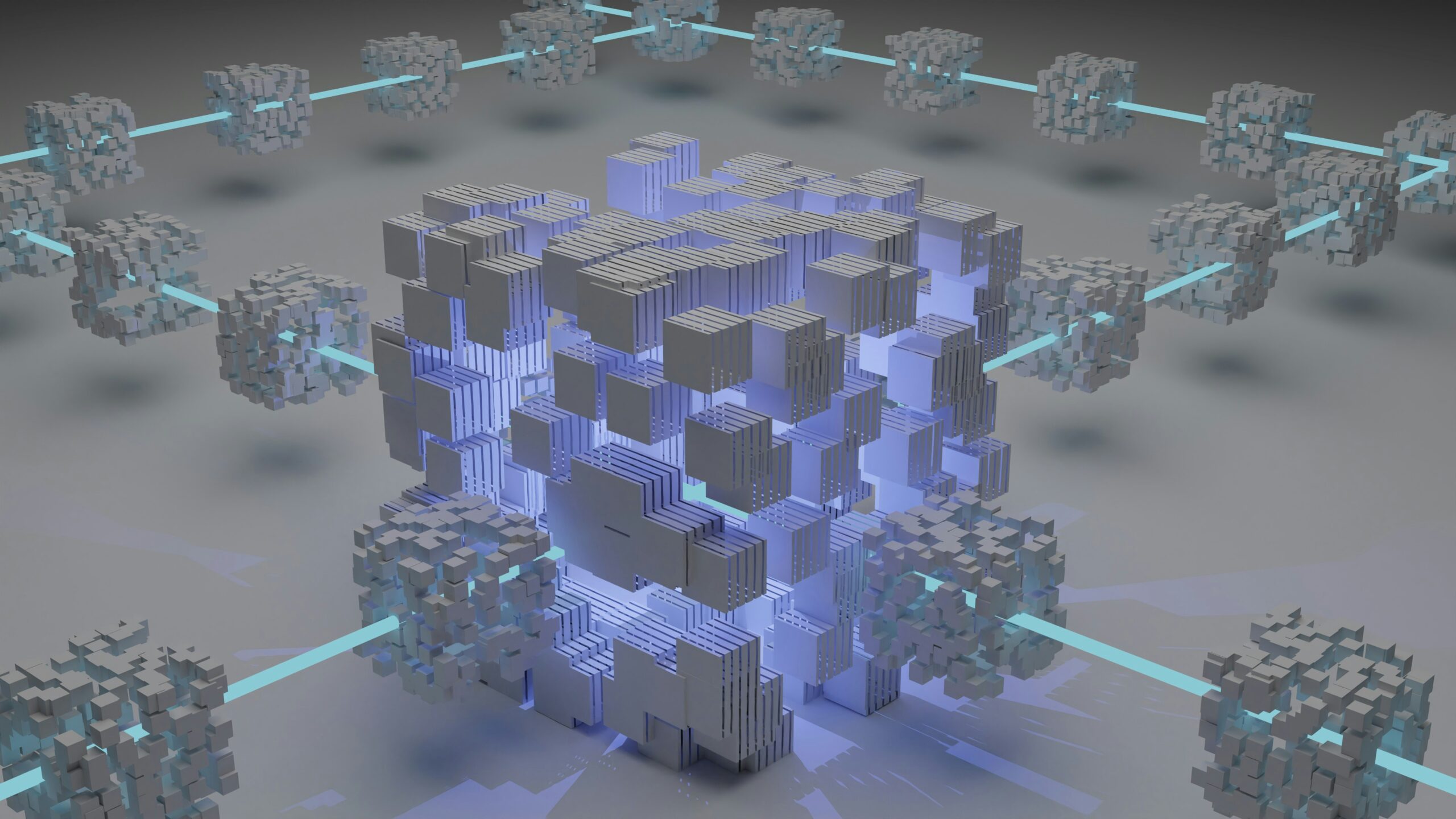
Announcing GondwanaChain: Enterprise-grade Blockchain-as-a-Service for businesses and organizations
We’re excited to announce GondwanaChain, a new Blockchain-as-a-Service (BaaS) offering designed to help businesses and organizations of all sizes in Africa and the world to harness the power of blockchain technology.
Built by Coin Afriq (Pty) LTD, GondwanaChain is an enterprise-grade, permissioned blockchain solution. This means it’s a private, secure, and blazingly fast network specifically designed for business use. Unlike public blockchains, access is controlled, which enhances security and ensures quicker transaction speeds.
Why Blockchain-as-a-Service?
While blockchain offers incredible benefits like enhanced security, transparency, and automation, the process of building and maintaining your own can be complex and expensive. Our BaaS model removes this barrier, giving you access to this powerful technology without the significant operational overhead. We handle the technical complexities so you can focus on what matters most: your business.
How Can GondwanaChain Transform Your Business?
Our platform utilizes smart contracts to automate everything from logistics and supply chains to administrative and financial tasks. This not only reduces costs and paperwork but also improves efficiency and provides a secure, transparent record of all operations.
GondwanaChain’s applications are incredibly versatile, benefiting various sectors from tourism and transportation to healthcare and agriculture. For example, you can:
- Tokenize Real-World Assets: Represent tangible assets like real estate or intangible ones like copyrights as digital tokens, unlocking new market opportunities and increasing liquidity.
- Improve Supply Chain Transparency: Trace goods from their origin to the end consumer, combating fraud and ensuring ethical sourcing.
- Automate Operations: Use smart contracts to handle secure payments, manage shareholder voting, and streamline administrative processes.
Our platform is built on secure, future-proof architecture, ensuring your data is protected against both current and future threats. We are one of the few companies offering this service, and one of an even smaller handful based and operating in Africa.
Ready to Learn More?
We welcome businesses and organizations interested in leveraging this innovative technology. To learn more about how GondwanaChain can benefit you, please feel free to contact us:
- Email: info@coinafriq.org
- Phone/WhatsApp: (+27) 0626404965
Or, for more in-depth details about the platform, check out our GondwanaChain page at https://www.coinafriq.org/pages/gondwanachain-blockchain-as-a-service, where you’ll find more information on how our service works and how it’s poised to help businesses thrive.
-

The NexT Generation of Blockchains – Real-World Assets with Coin Afriq
Blockchains have largely been used for cryptocurrency (since the introduction of Bitcoin), and later Decentralized Applications (dApps) and Decentralized Finance (DeFi). Other avenues presently being explored are logistics and medical technology for patient privacy.
However another amazing opportunity has emerged hitherto unexplored – the tokenization of Real-World Assets using blockchain technology.In this article we’ll explore how Real-World Assets (such as real estate, physical artwork, bonds, or commodities) can use blockchains to tokenize investments and ownership offering a greater participation in the economy for ordinary people regardless of income.
How Do Blockchains Help with Real-World Assets
A blockchain as we’ve explored before is just a decentralized public ledger (much like your accountant or bookkeeper uses which stores opening balances, closing balances and timestamps, but everyone has a copy while personal details are encrypted). This technology keeps a transparent record of any transaction without compromising user privacy. This of course is a great fit or cryptocurrencies which are fungible tokens (that just means more than one token can be made), but how does this translate into a unique record? Enter non-fungible tokens.
Non-fungible tokens (also known as NFTs) have been unfortunately maligned as people used them incorrectly sharing easily copyable media such as pictures which were then endlessly shared.
What an NFT is supposed to do is offer a unique signature that’s exclusive to the person owning it (much like your fingerprint or your DNA). This means if you keep your digital signature secure (passwords, mnemonics, multi-factor authentication, etc.) no one can duplicate your unique key.How does this play in with Real-World Assets?
Well, your unique signature shows your exact shares, value, etc. that you possess.
This cannot be tampered with, and everyone can see any attempted manipulation of the data (which is penalized harshly) on the public record.How Can We Buy or Sell?
Just like with normal money, blockchains allow us to use a digital representative of currency.
Therefore, Real-World Assets can be purchased using cryptocurrency.
This obviously is quite normal in crypto. But we can add NFTs and using either crypto (or even fiat) allow people to purchase shares in Real-World Assets (whether as a whole or even in small shares) that verify their ownership. These records cannot be tampered with, and if more than one person purchases shares, any changes in ownership will need to be ratified by all parties involved.Imagine anything from a rare painting to even a skyscaper!
A group of people can form a digital association (often referred to as a Digital Autonomous Organization or DAO) where they can pool their resources and purchase shares. This means even a massive building like a multi-level skyscraper can be owned fractionally by all members of the DAO.Sales, transactions, even rent can be automated using smart contracts (self-executing blocks of secure code on the blockchain) and transactions can be done with little overhead if the owner or owners agree.
This could even be used for investment, bonds, equities, etc. The sky really is the limit!
How Does Coin Afriq Help?
Because Coin Afriq is an extremely advanced ecosystem with a blockchain that uses the latest in cutting-edge technology (we even guard against supercomputer threats) and that plays nicely with traditional finance (due to support the new ISO-20022 standard), this means that we offer a secure platform where people can engage in fraction ownership that works seamlessly and without the overhead of traditional transactions.We have support for both fungible and non-fungible tokens, meaning it’s not just a cryptocurrency, it’s a blockchain that can power ownership as tokens, and that can use smart contracts to ensure seamless transaction, reduce overhead, and ease logistical burden.
The Next Step in Asset Ownership
In a world where digital innovation is rapidly redefining traditional finance, the tokenization of Real-World Assets represents a powerful opportunity to democratize investment. By making high-value assets accessible to everyone, this technology is not just changing how we transact, changing who can participate.Coin Afriq is at the forefront of this revolution, providing a secure, compliant, and easy-to-use platform that bridges the gap between digital and physical wealth. Our advanced blockchain and smart contract technology ensures seamless, secure, and transparent transactions, allowing you to confidently engage in the future of asset ownership.
Ready to explore a world where you can own a piece of anything from real estate to rare art? Discover how Coin Afriq is making fractional ownership a reality and start your journey with us today.
Visit us at https://coinafriq.org or email us at info@coinafriq.org -

A New Way to Invest in Africa’s Future
Coin Afriq is a South African startup aiming to change the way finance works across the continent. While many cryptocurrencies and blockchains (a distributed public ledger) are built without considering Africa’s unique challenges, our project is designed specifically with our experience as people born and raised here. We believe these new technologies don’t have to be scary and can truly benefit many people.
Why Cryptocurrency?
Traditional banks have often failed many communities in Africa. Access to banking and lending facilities is limited, which makes it hard for many to meet their basic needs. Cross-border payments, which many families rely on, are slow and costly with traditional institutions. We’ve also seen the devastating effects of hyperinflation, as in Zimbabwe, where a simple item like bread can cost millions.
Crypto, and Coin Afriq specifically, offers a solution. All you need is internet access, which is widely available on mobile devices across Africa. Payments are much quicker and cheaper. Furthermore, because it’s not subject to centralized banks, it’s not affected by the conflict or corruption that can directly cause inflation.
The Growing African Crypto Market
The crypto market in Africa is experiencing significant growth. By 2026, it’s projected that there will be 77.76 million users in Africa, up from a current 5.50% of the population to 5.90%.
This growth represents big money. The revenue of the crypto market in Africa is currently around $4.8 billion (R84.46 billion), and it’s projected to grow by 6.75% annually. By 2026, this could reach $5.1 billion (R89.74 billion).
This trend shows that more and more people are adopting crypto, especially in South Africa and Nigeria, where regulations are being developed to ensure user safety.
What Makes Coin Afriq Different?
Our team is from Africa, and our project is designed to help the average person. You don’t need to be a tech genius or have a lot of wealth to participate—just a phone or computer and an internet connection.
Our coin is unique because it rewards users based on their merit and reputation. Participants who validate transactions are democratically voted for using a system called Nominated Proof of Stake (NPoS). What truly sets us apart is our focus on integrating with traditional finance; our project is being built to seamlessly connect with banks using a new standard called ISO-20022. This means you can participate without needing expensive, energy-consuming computer equipment.
The Benefit for Early Adopters
Once we are ready to go to market and have ensured full regulatory compliance, we will hold a pre-sale at R6.80 ($0.39) per coin. Our projected launch price is R10.00 ($0.57) per coin, which could offer early buyers a potential return of around 32%. For example, if you were to buy 1,000 coins for R6,800, your investment could be worth R9,967.15 at launch, giving you a potential profit of R3,167.15.
We also have massive long-term potential, including pan-African expansion, multiple income streams, partnerships, and a long-term gold peg. For more information, please check out our website at https://coinafriq.org.
How to Invest
If you want to be part of a transformative project that can help people in Africa and has huge potential, we’d love to have you on board. We are currently in our pre-seed funding round, which means we need capital to finish the project and list the coin. Individuals, venture capitalists, or groups pooling their resources are all welcome to contribute.
We are open to offers and look forward to hearing from you.
Feel free to contact us at info@coinafriq.org or visit our website at https://coinafriq.org. We have our business plan, company profile, roadmap, whitepaper, and tokenomics available on our website for anyone interested to view.
We look forward to hearing from you!
-

A View from the Koppie with nGala the lion: Cryptocurrency and its Relation to Blockchains (FAQ)
In our last post, we explored what a blockchain is and discovered it’s not as complex as some might make it seem. (For a refresher, check out: Follow the Lion)
At Coin Afriq, a pioneering company in Africa’s blockchain and crypto space, we believe in making technology and financial control accessible to everyone. We want to be transparent and clear, so you can make informed decisions.
So, grab your Amarula or a gin and tonic, and let’s take a little safari with nGala through the wild savannah of the cryptoworld. Twende! (That means “let’s go” in Swahili!)
FAQs About Crypto
What is cryptocurrency, and how is it different from traditional money?
In its simplest form, a cryptocurrency is a digital number representing a value. Think of it just like the number in your bank account that tells you how many South African Rand (ZAR) you have. Bitcoin, Ether, and others are just different types of digital money, much like you have the US Dollar (USD) or the Japanese Yen (JPY). The key difference is that cryptocurrencies aren’t controlled by a central bank or government.
What does cryptocurrency have to do with blockchains?
If you can imagine a cryptocurrency as a car, the blockchain is its engine. It’s the technology that makes the car run. A blockchain is a public, digital ledger—like a super-secure accounting book—that records every transaction. It’s not controlled by a single person or company; instead, a copy is distributed to everyone on the network.
This public ledger allows people to verify timestamps, amounts, and all transaction details. Without the blockchain, a cryptocurrency would just be a number on a computer screen with no way to securely track or verify its movement.
The technology behind this is called cryptography, which comes from the Greek words “kryptos” (secret) and “graphein” (to write). It’s just a fancy term for writing in code. This process makes sure that sensitive information is unreadable without the proper key, ensuring your financial details are kept private and secure.
Isn’t cryptocurrency a scam?
Not at all. This misconception often comes from the rise of “memecoins” and get-rich-quick schemes, which are designed to capitalize on trends rather than provide real value.
Established cryptocurrencies like Bitcoin and Ether, and stablecoins (which are backed by real-world assets like a currency or gold), are very safe and secure. They operate on open markets, and their value is determined by supply and demand, just like traditional currencies. There’s no multi-level marketing or hidden tricks.
What about concerns like money laundering?
At Coin Afriq, we have a robust KYC (Know Your Customer) and AML (Anti-Money Laundering) system in place. We’ve partnered with leading providers to ensure we are fully compliant with directives from the Financial Intelligence Centre (FIC) Act in South Africa.
Before anyone can trade on our platform, they must verify their identity, proof of address, and financial information. This ensures all transactions are transparent and that funds aren’t used for unethical purposes.
How safe is cryptocurrency?
We take security extremely seriously. We use multiple layers of protection, including strong passwords, cryptographic keys, OTPs (One-Time Passwords), and multi-factor authentication, including biometrics if your device supports it.
Just like with physical cash, there is a risk if you leave your wallet lying around or if you give out your account details. That’s why we’re committed to not only training our own staff on security procedures but also educating our users on the best practices for keeping their funds safe.
Why aren’t more people using crypto?
That’s a question we ask ourselves, too! The main reason is a lack of education. The internet is full of misinformation, and many experts struggle to explain these concepts in a way that’s easy for everyone to understand. Our goal is to change that.
I’ve heard of “token utility.” What’s that?
Cryptocurrencies (also called tokens) can do more than just act as money. Since Ethereum’s launch, most new tokens must have a purpose—or utility—beyond just being a currency.
At Coin Afriq, our token can be used as cash, but it can also power applications, manage logistics, and work with financial institutions. People who “stake” their tokens (which means they help verify transactions) are rewarded with a small share of new tokens. You can learn more about the many uses of blockchain and crypto in our article here: Beyond the Coin
Is there a security incentive for users?
Yes! Our Nominated Proof of Stake verification system is a fair, democratic, and decentralized way of keeping our network secure. We have dedicated “whistleblowers” who monitor the blockchain for any malicious or unethical activity. People who engage in malpractice can lose their tokens or be banned entirely, not to mention face consequences from relevant government bodies.
Conclusion
We hope this little safari through the crypto savannah has cleared up some of the mystery. The world of digital finance can seem daunting, but it’s built on simple, powerful ideas. We’re committed to being your trusted guide, offering the security, education, and tools you need. Come join the pride at Coin Afriq and see how easy it is to take control of your financial future.